اترك رسالة
إذا كنت مهتمًا بمنتجاتنا وتريد معرفة المزيد من التفاصيل، فيرجى ترك رسالة هنا، وسنقوم بالرد عليك في أقرب وقت ممكن.
عند تصميم مصفوفة الطاقة الشمسية على السطحنادراً ما تحظى بنية التثبيت بالاهتمام الكافي. ومع ذلك، فإن الخيار بين أنظمة الخطافات التقليدية والحديثةنظام السكك الحديدية الشمسيةيُحدث فرقاً كبيراً في السرعة والسلامة والموثوقية على المدى الطويل.
في تجربتي، الترقية الأقل تقديراً هي إقرانقدم شمسية Lمع تصميم هندسي مناسبسكة حديد تعمل بالطاقة الشمسية. معًا، يشكلون أساسًا أقوى وأكثر مقاومة للماء وأسرع في التركيب من البدائل التقليدية.
دعونا نحلل ما الذي يجعل هذا المزيج مختلفًا - ولماذا أصبح المعيار الجديد.
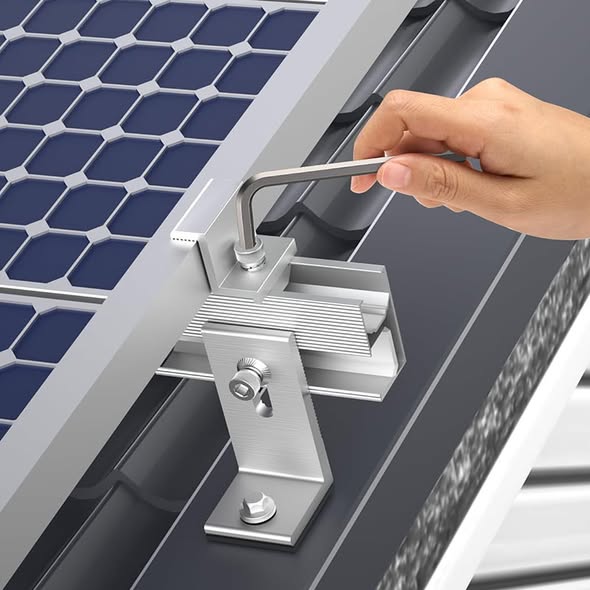
قدم سولار إل- دعامة ألومنيوم على شكل حرف L تُثبّت مباشرة على عوارض السقف أو سطحه. وهي مزودة بقاعدة رغوية محكمة الإغلاق من مادة EPDM للعزل المائي.
سكة حديد تعمل بالطاقة الشمسية– قناة الألمنيوم المبثوقة التي تستقر فوق قواعد حرف L وتحمل الألواح الشمسية.
سكة ألواح الطاقة الشمسية– مصطلح آخر لنفس السكة، مع التركيز على دورها في تثبيت وحدات الطاقة الشمسية الكهروضوئية بشكل آمن.
حوامل السكك الشمسية– مجموعة المكونات الكاملة (أقدام على شكل حرف L، مسامير، مشابك، أغطية طرفية) المستخدمة لربط السكة بالسقف.
عند دمج هذه العناصر، ستحصل علىنظام السكك الحديدية الشمسيةإنه معياري، قابل للتعديل، وبسيط بشكل مدهش.
| ميزة | خطاف تقليدي | قدم L + سكة |
| اختراق السقف | 2-4 براغي لكل خطاف | مسمار واحد لكل قدم طولية |
| العزل المائي | الرصاص أو المطاط | حشية EPDM مثبتة مسبقًا |
| محاذاة السكة الحديدية | موضع الخطاف ثابت | يمكن أن ينزلق القضيب على طول الجزء العلوي من القدم اليسرى |
| توافق المواد | الأفضل لعوارض الخشب | يعمل مع الخشب والفولاذ والخرسانة |
ما هو الفرق الأكبر؟القدرة على التعديلباستخدام خطاف قياسي، بمجرد تثبيته بالبرغي،سكة ألواح الطاقة الشمسيةتم تثبيت الوضع. إذا كانت قياساتك خاطئة بمقدار 2 سم، فسيتعين عليك إزالة البراغي وإعادة الحفر.
معقدم شمسية Lيسمح الفتح العلوي للسكك بالانزلاق للأمام والخلف قبل التثبيت. هذه الميزة البسيطة توفر ساعات من الإحباط على سطح متوسط الحجم.
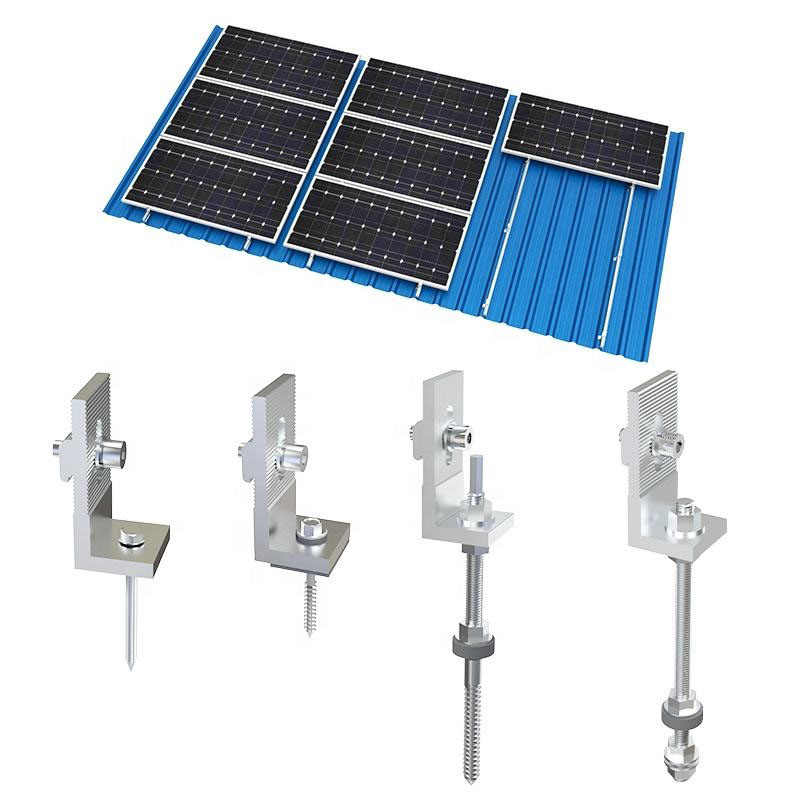
كلقدم شمسية L يأتي مزودًا ببطانة مقاومة للماء مثبتة مسبقًا من المصنع. عند ضغطها بواسطة برغي التثبيت الوحيد، تُشكّل هذه البطانة حاجزًا محكمًا يدوم لفترة أطول من الحواجز المعدنية المقطوعة يدويًا. يقدم العديد من المصنّعين الآن ضمانًا لمدة عشر سنوات ضد التسرب لهذا التصميم.
لأنه لا توجد حاجة لقياس فتحات الخطاف أو قطع ألواح الرصاص، يمكن للفرق تركيبهاحوامل الطاقة الشمسية على السكك الحديديةأسرع بنسبة 35% تقريبًا. يقوم أحد أفراد الطاقم بوضع قدميه اليسرى؛ ويقوم آخر بتثبيتهما.سكة ألواح الطاقة الشمسيةلا انتظار، لا إعادة عمل.
تركز الخطافات التقليدية القوة على نقطة لولبية واحدة.قدم شمسية Lيوزع الحمل على مساحة تتراوح بين 20 و30 سم². وهذا أمر بالغ الأهمية بالنسبة للأسقف الإسفلتية القديمة أو بلاط الطين الهش.
ألواح الأسفلت- التركيب المباشر، قم بثني الحشية تحت القرميدة العلوية.
بلاط طيني/خرساني– ارفع البلاطة، وقم بتثبيت قاعدة L على سطح السفينة، ثم أعد وضع البلاطة فوق القاعدة.
درزة معدنية بارزة- استخدم محول مشبك (بدون أي اختراق للسقف على الإطلاق).
الساق الأفقية لـحامل شمسي بطول قدم واحدةيستقر بشكل طبيعي على سطح السقف. إذا كانت عوارض السقف لديك ملتوية قليلاً (وهذا شائع في المنازل القديمة)، فإن قاعدة التثبيت على شكل حرف L لا تزال توفر سطحًا مستويًا لتثبيت السكة.
هل تحتاج إلى استبدال لوحة واحدة أو إصلاح طبقة العزل السفلية للسقف؟ قم بفك السكة، واسحبها من قواعد التثبيت، ثم أزل الجزء المتضرر فقط. لست مضطرًا لتفكيك نصف المجموعة.
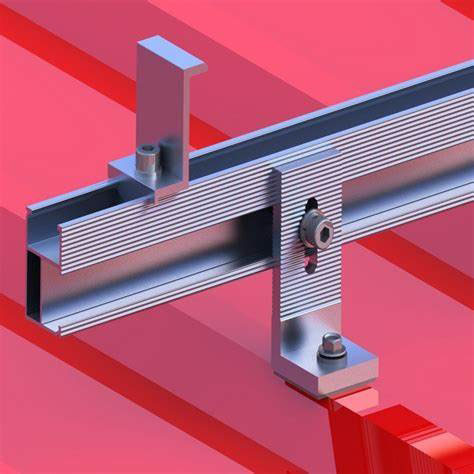
النظام السكك الحديدية الشمسيةيُعدّ استخدام القدم الكبيرة (L) مثاليًا لما يلي:
أسطح المنازل المائلة (وخاصة أسطح القرميد الأسفلتي والبلاط)
المناطق ذات الرياح العاتية أو الثلوج الكثيفة (نظام القفل المزدوج قوي للغاية)
عمليات التحديث في الحالات التي تتعطل فيها الملحقات الحالية
إنهالايُوصى به لـ:
أسطح معدنية مموجة بسمك أقل من 0.5 مم
الأسطح التجارية المسطحة (استخدم بدلاً من ذلك قواعد مثبتة بالصابورة أو قواعد نافذة)
العشب الطبيعي أو الأسطح الخضراء (توجد حوامل متخصصة منخفضة التأثير)
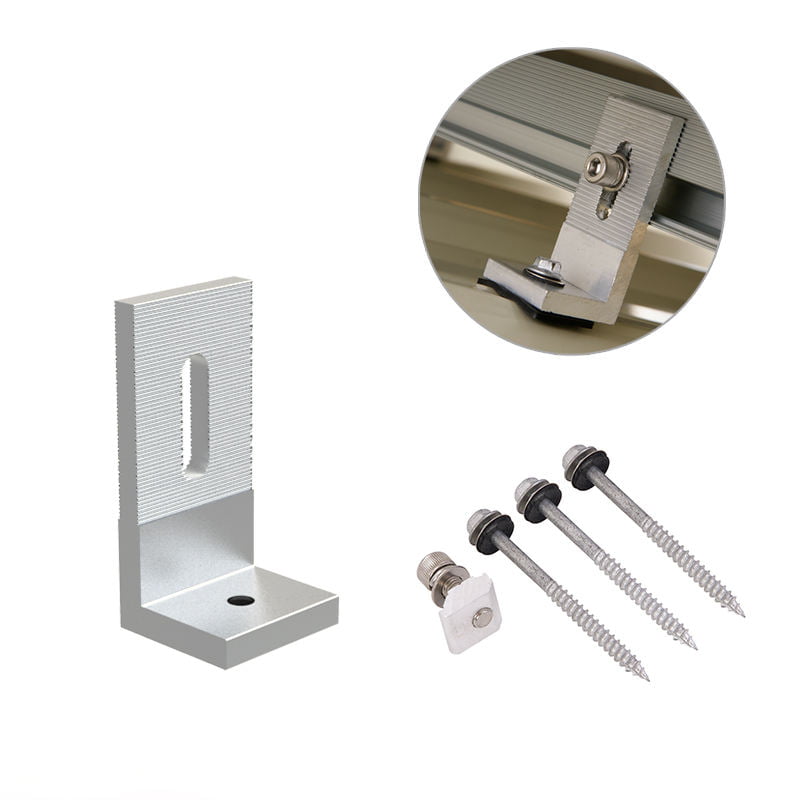
إذا بحثت عنسكة ألواح الطاقة الشمسيةستجد العديد من التصاميم. بالنسبة لأنظمة القاعدة على شكل حرف L، اختر سكة ذات فتحة سفلية (للانزلاق على الجزء العلوي من القاعدة) وقناة علوية لمشابك الألواح. الأطوال القياسية تتراوح بين 3 و5 أمتار.
الحوامل الطاقة الشمسية على السكك الحديديةعادةً ما تُباع المكونات نفسها (الأقدام على شكل حرف L، والمسامير، والوصلات) كمجموعات. تأكد منحامل شمسي بطول قدم واحدة يُصنّف هذا الجهاز وفقًا لسرعة الرياح المحلية لديك. وتُعتبر سرعة 120 ميلًا في الساعة سرعة نموذجية لمعظم أنحاء الولايات المتحدة.
شاهدت مؤخراً فريقاً يقوم بتركيب نظام طاقة شمسية بقدرة 9 كيلوواط على سطح إسفلتي عمره 30 عاماً. لقد استخدمواقدم شمسية Lأقواس كل 1.2 متر على طول كلسكة حديد تعمل بالطاقة الشمسيةاركض. الـسكة ألواح الطاقة الشمسيةتم تركيبها بخطوط مستقيمة ومتساوية دون أي تشقق في القرميد. استغرقت عملية تركيب السكة بأكملها أقل من ثلاث ساعات. علّق صاحب المنزل قائلاً: "تبدو أنظف من نظام جاري". هذا هو الفرق في الطول.
التحول من الملحقات القديمة ذات الخطاف إلى ملحقات مصممة خصيصًا لهذا الغرضنظام السكك الحديدية الشمسيةمعقدم شمسية Lإن قواعد التثبيت ليست مجرد تعديل بسيط، بل هي تحسين جوهري في كيفية تثبيت الألواح الكهروضوئية على الأسطح.
ستحصل على:
عدد أقل من عمليات الاختراق
تثبيت أسرع
مقاومة أفضل للماء
هيكل عملي يدوم طويلاً
إذا كنت تخطط لتحديد أو تركيب أنظمة الطاقة الشمسية على أسطح المنازل في عام 2026 وما بعده، فضع قدم شمسية Lوسكة حديد تعمل بالطاقة الشمسيةضعها في أعلى قائمة المواد. سيشكرك سقف منزلك - ومستقبلك أيضاً.
اشترك في النشرة الإخبارية لدينا للحصول على معلومات التحديث والترويج والبصيرة.


 دعم شبكة IPv6